The role of a simulation instructor: from needs-based learning to patient safety
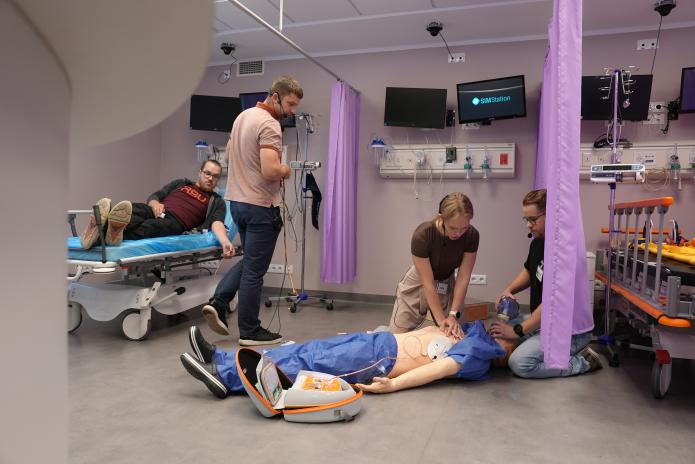
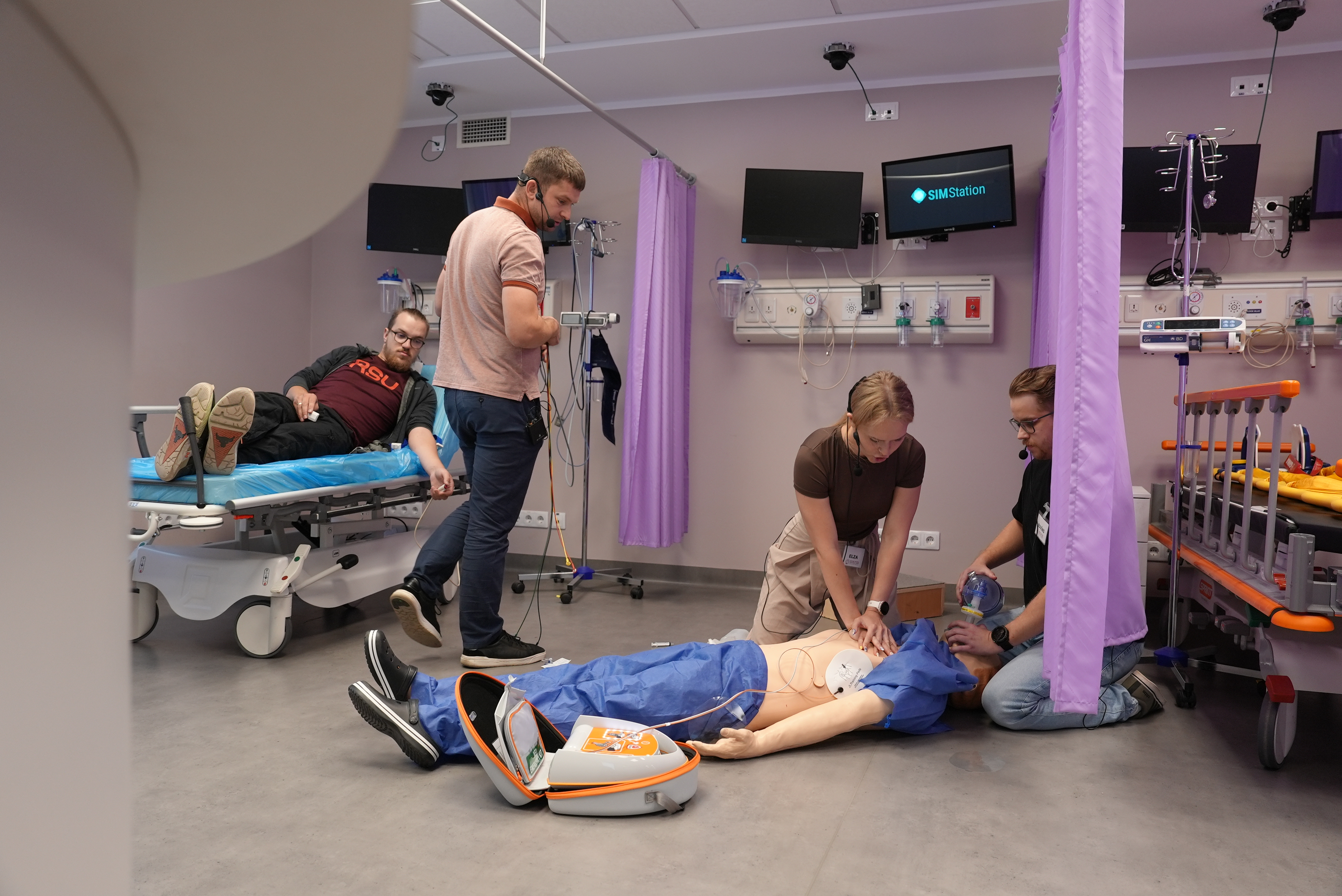
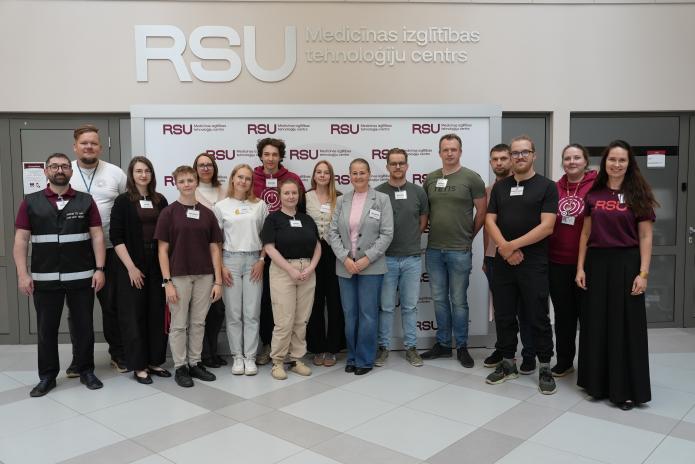
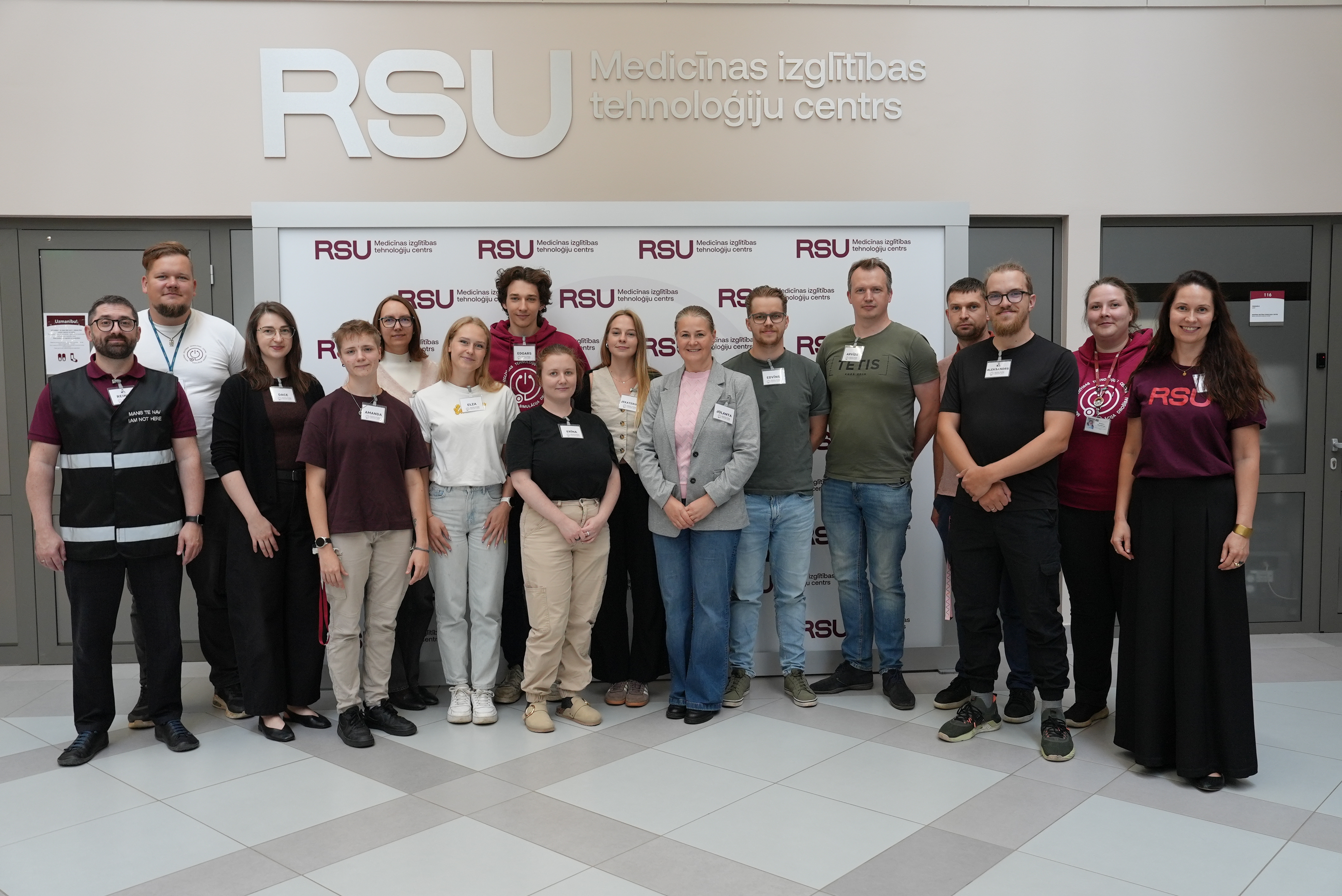
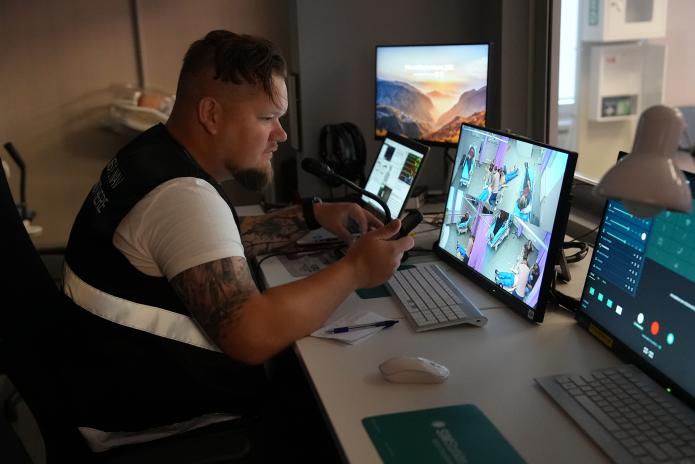
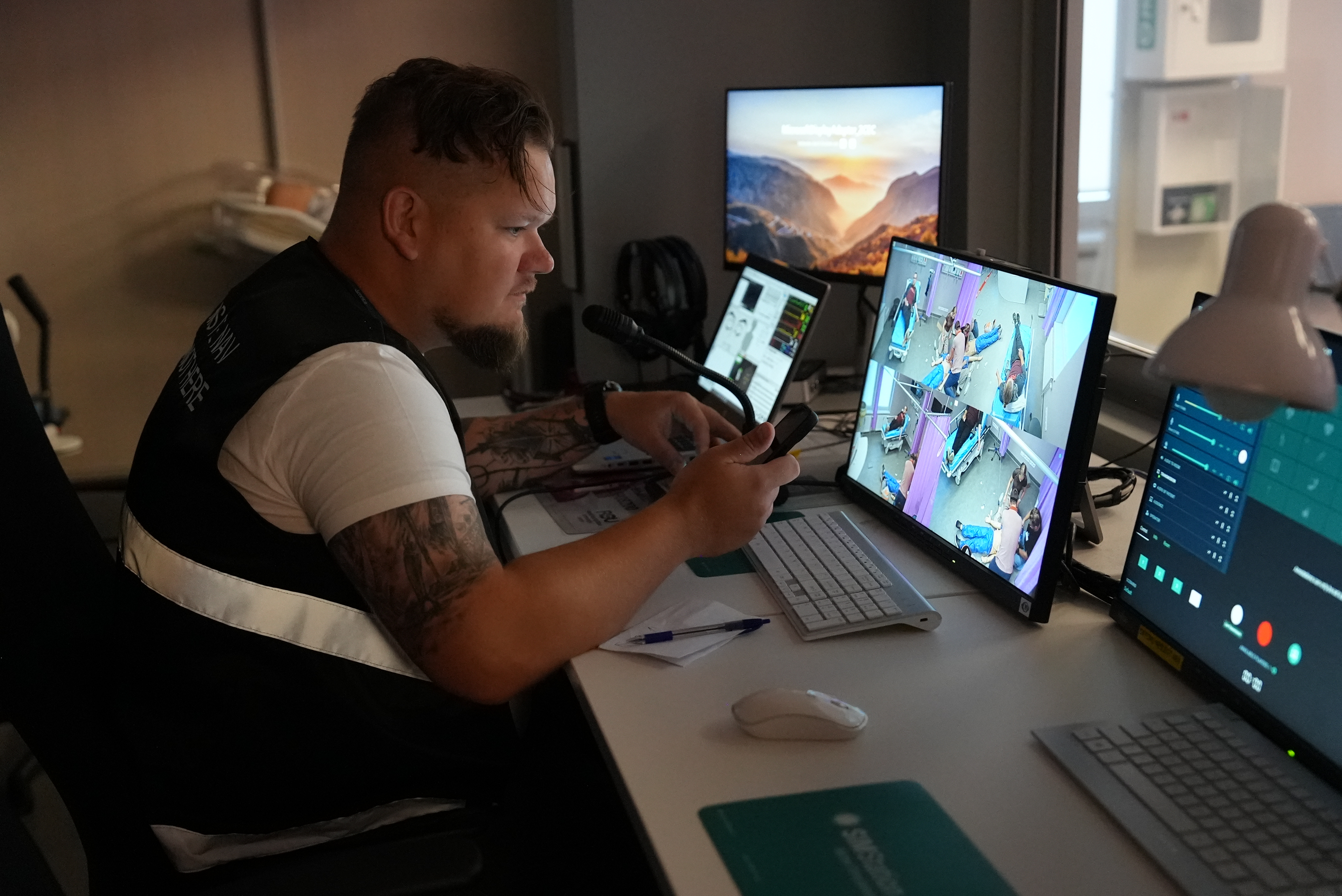
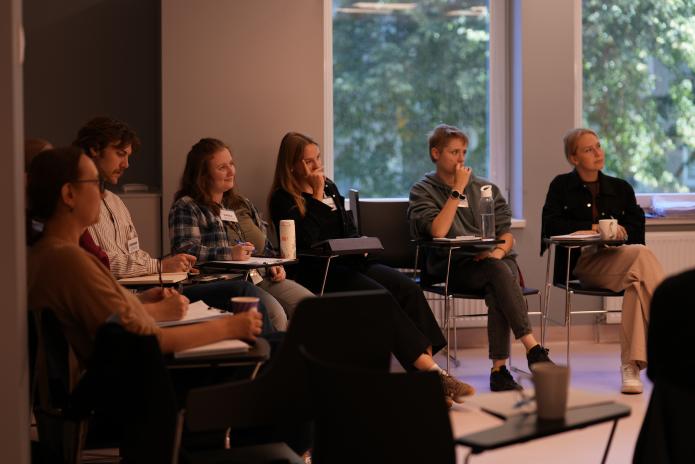
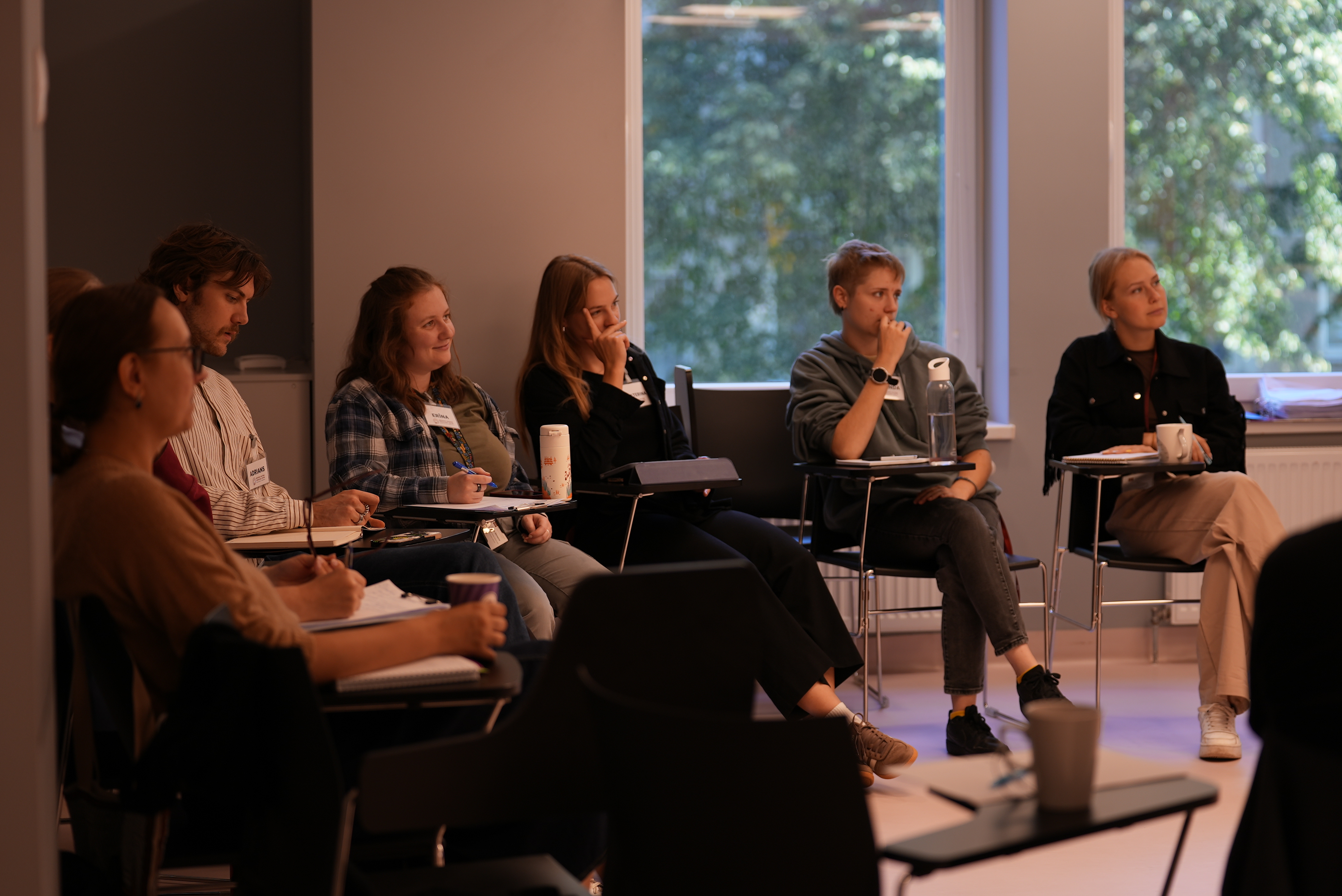
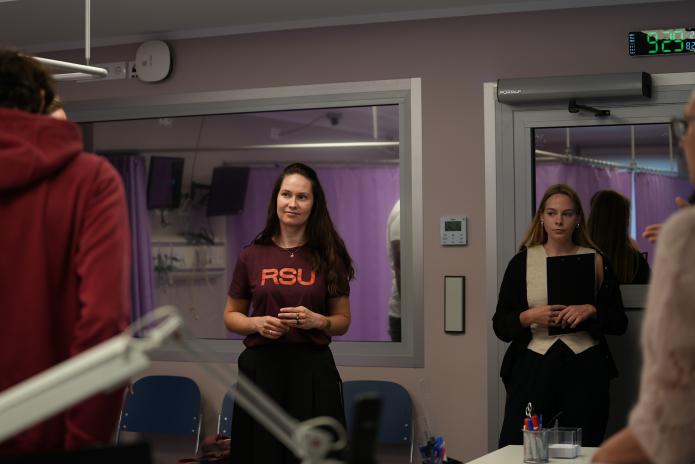
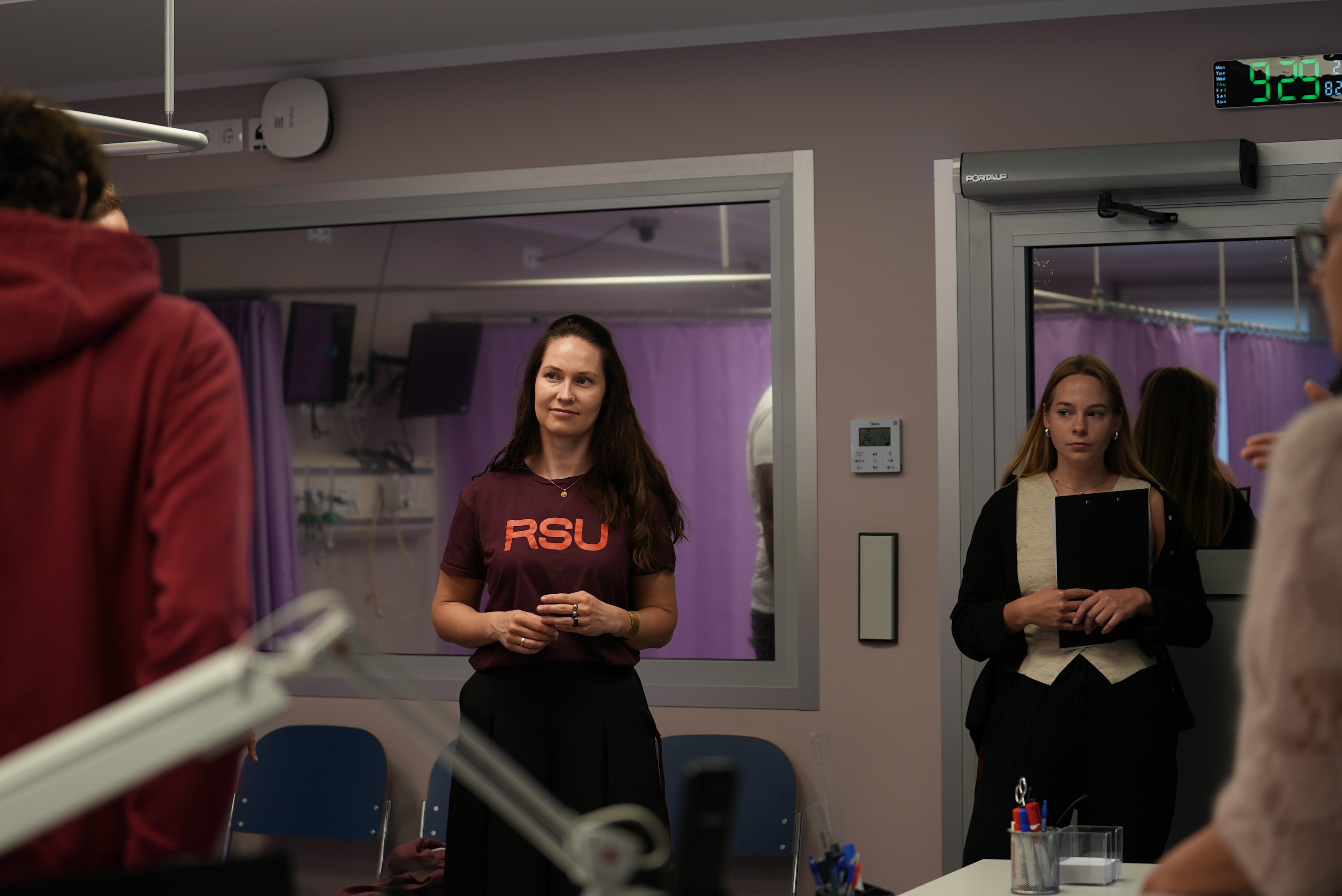
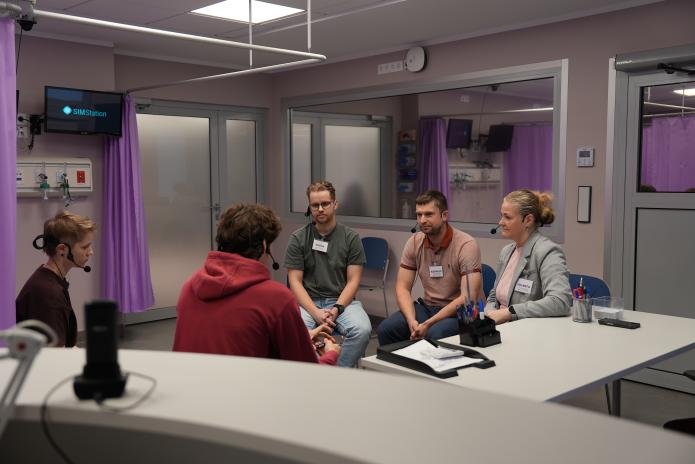
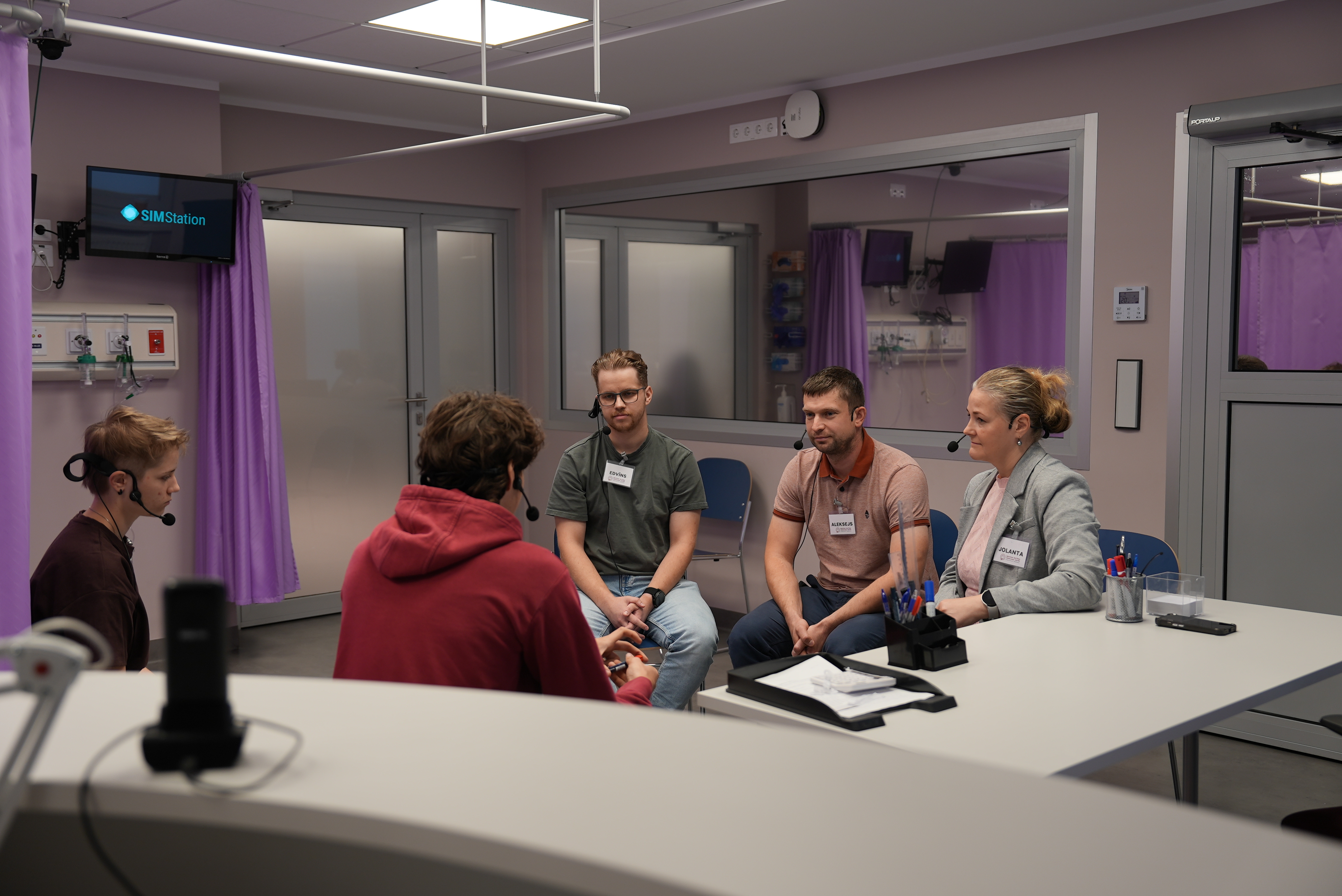
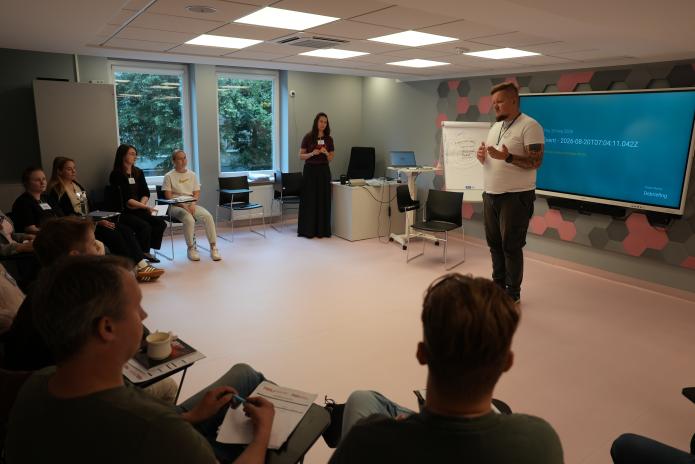
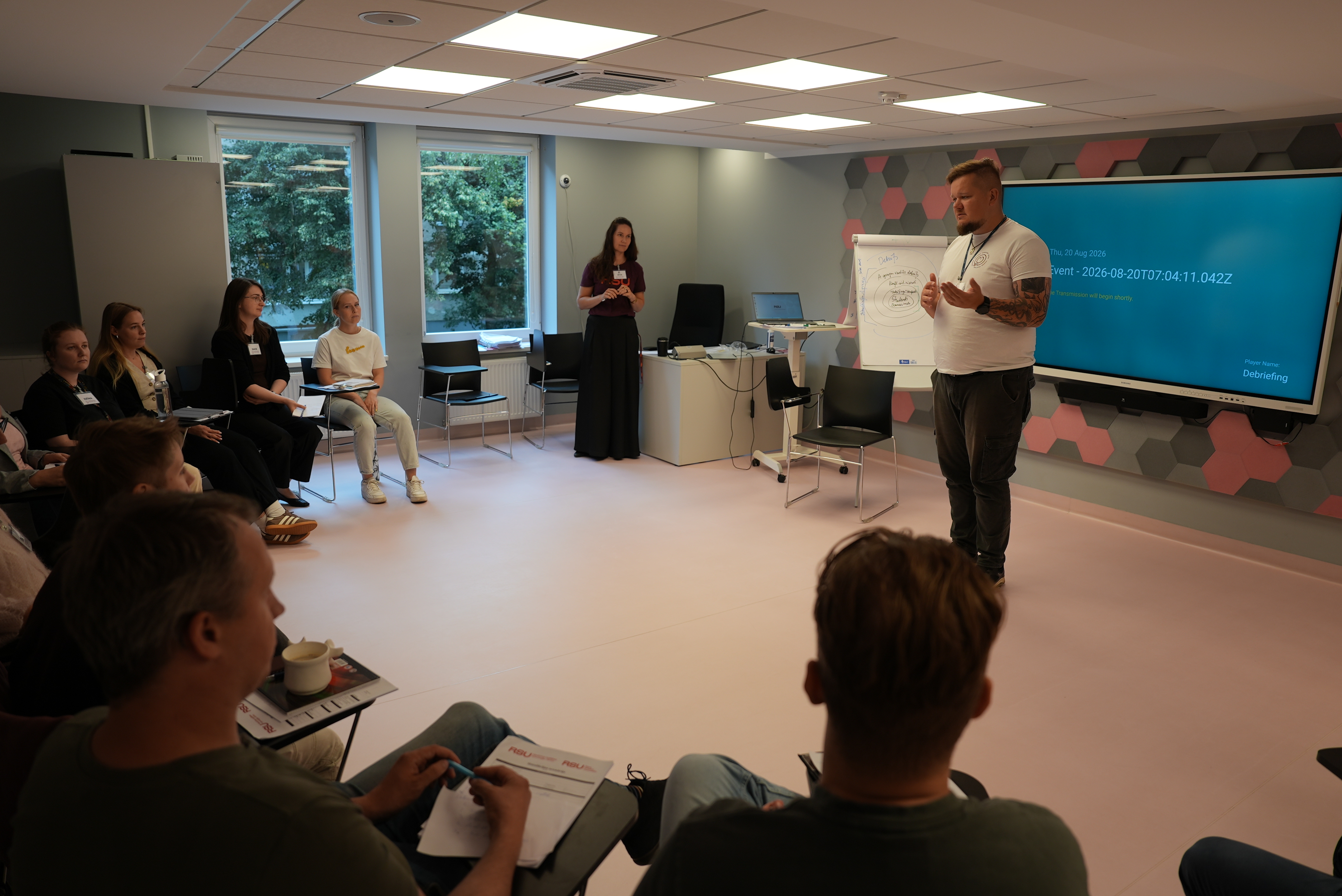
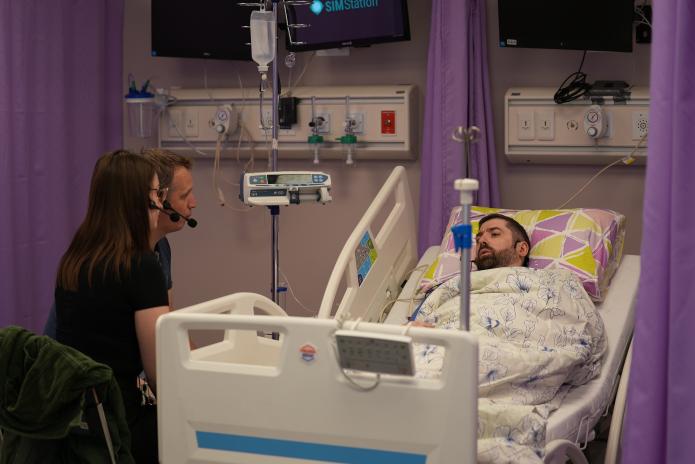
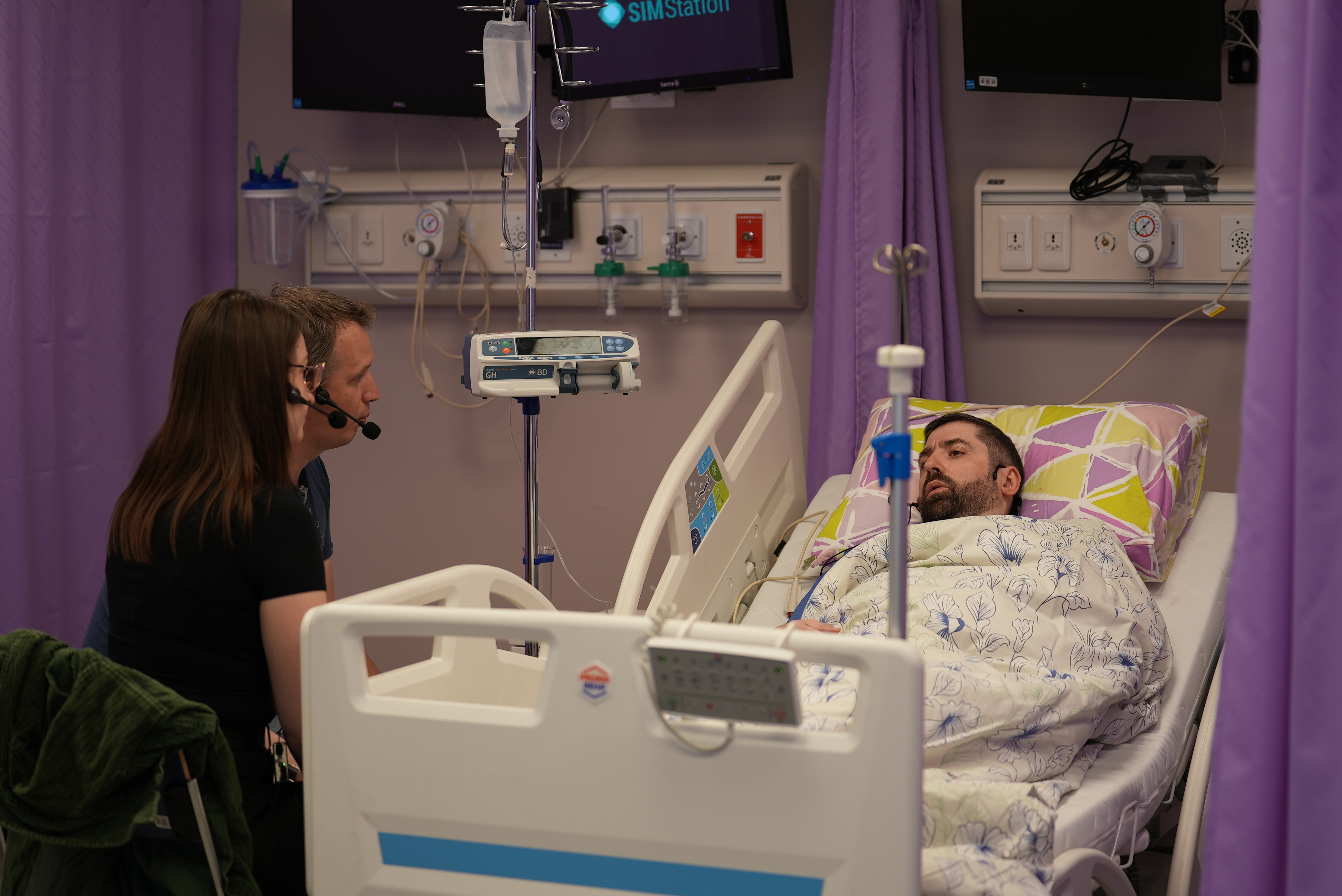
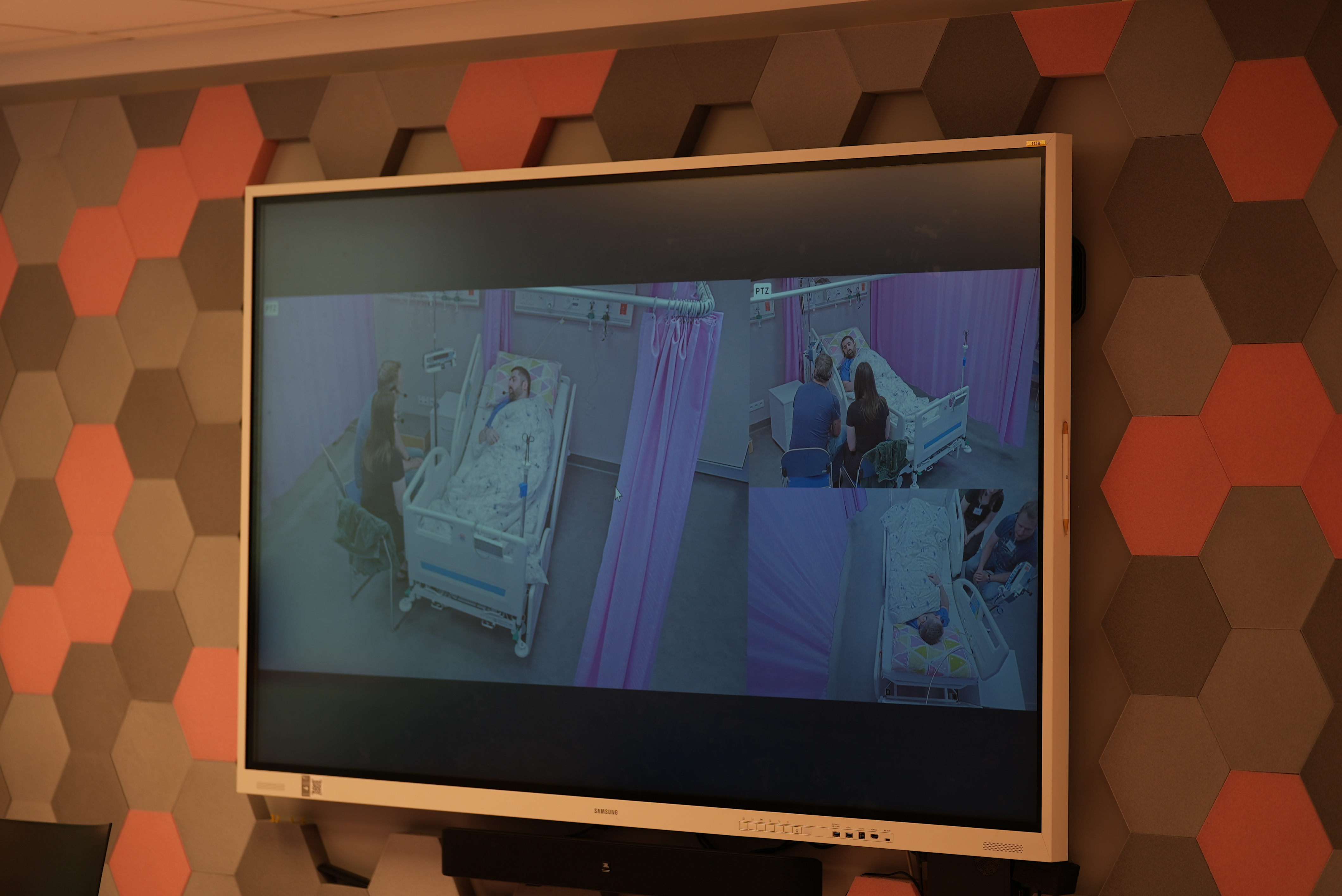
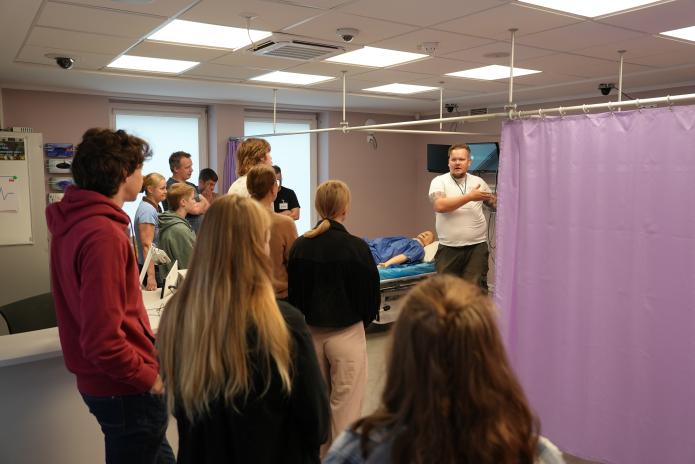
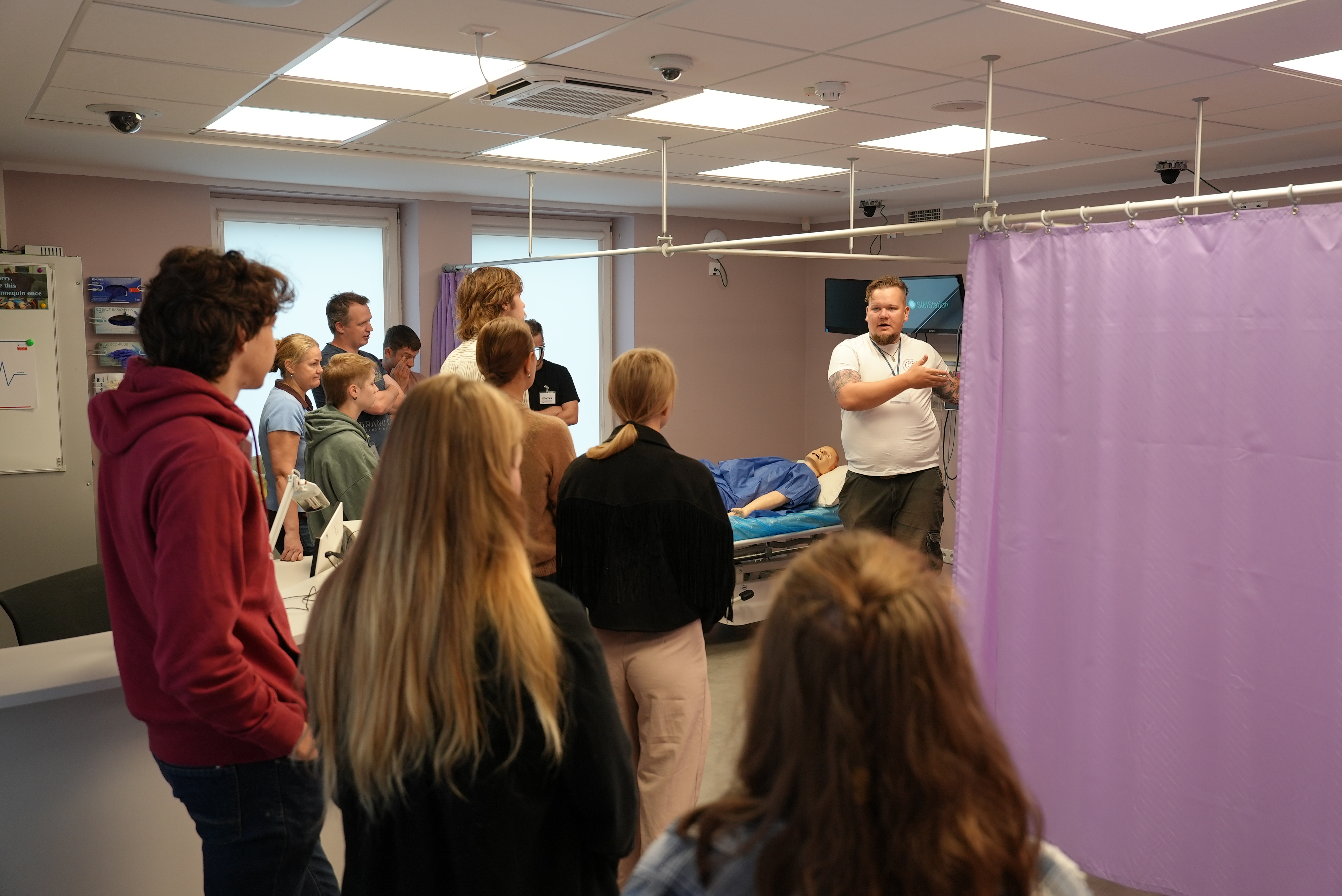
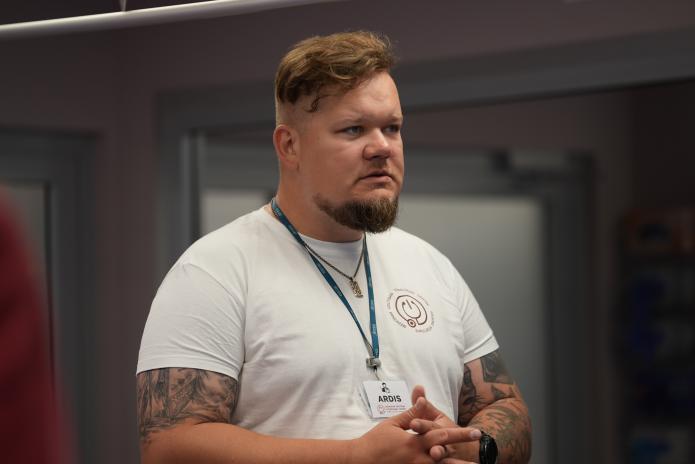
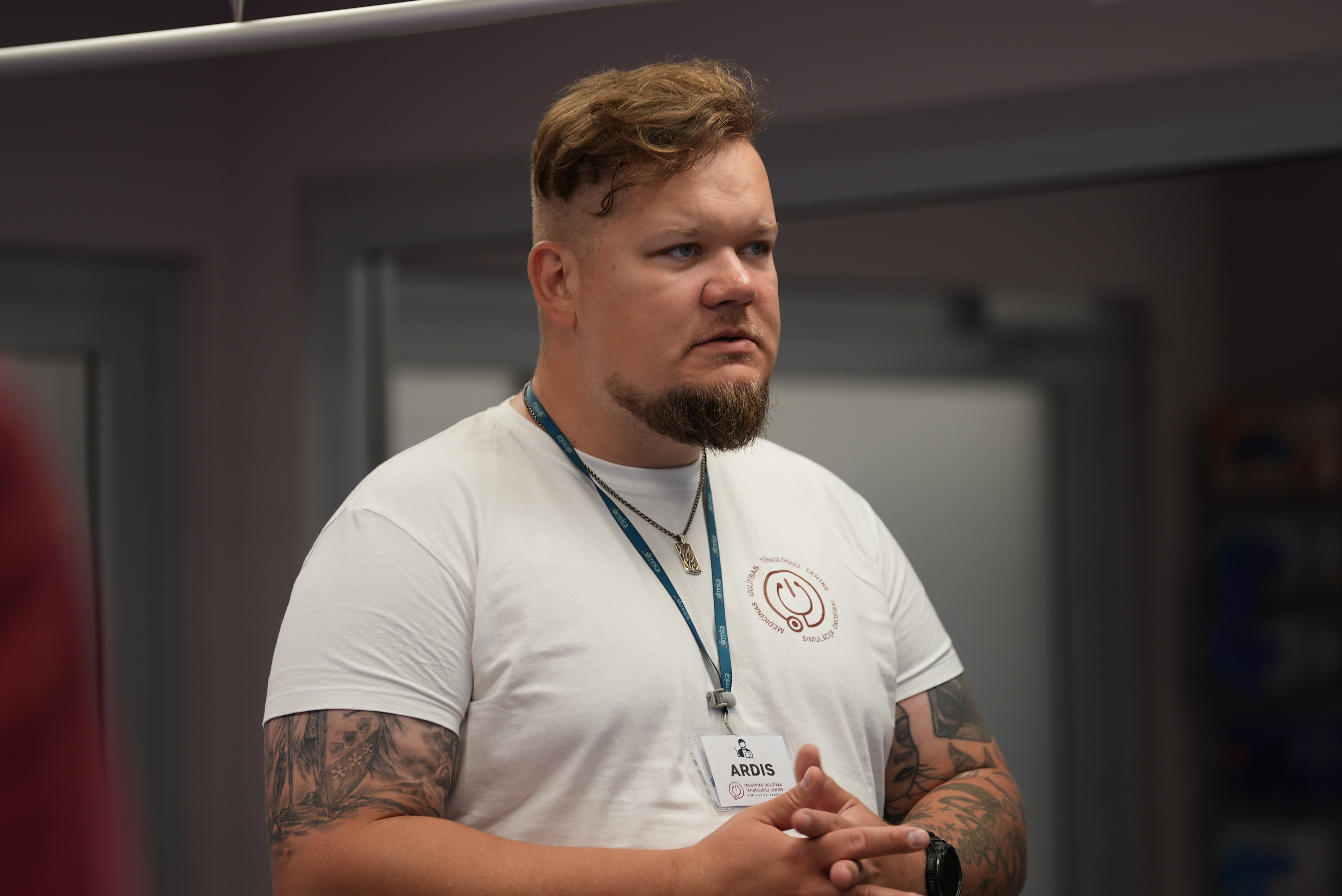
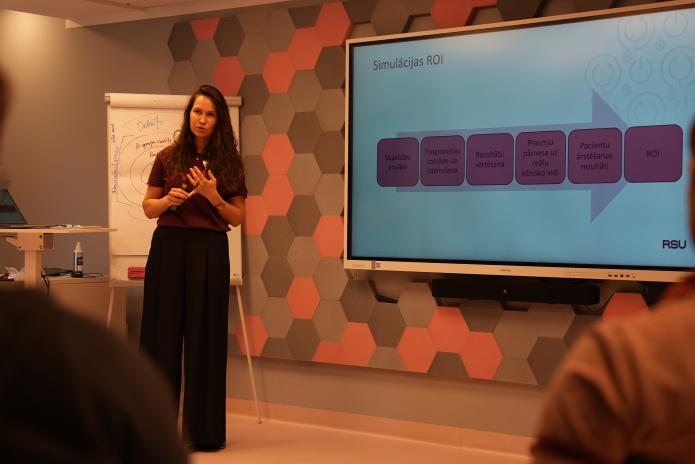
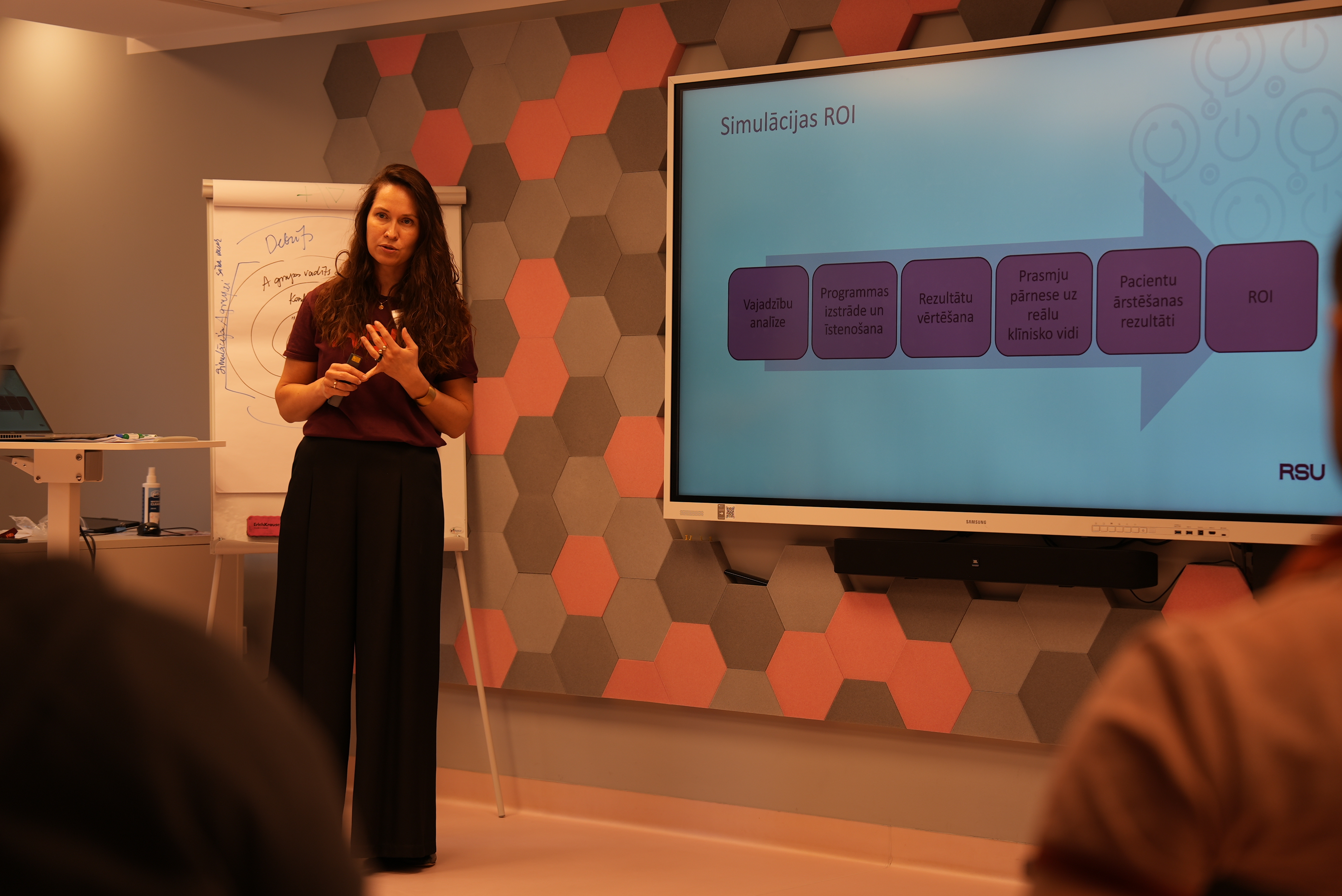


From 18 to 20 August, the RSU Medical Education Technology Centre (RSU METC) hosted a professional development programme entitled ‘MācīSIM1: Basic Principles of Simulation Design and Implementation’. Over the course of three days, participants learnt the fundamental principles of simulation-based education and gained practical experience of the simulation development and implementation process.
The MācīSIM1 courses were held at RSU METC for the fourth time at the end of August, and on this occasion the participants included colleagues from Liepāja Regional Hospital. The involvement of professionals from various Latvian healthcare institutions is a very significant step towards the development of simulation-based education in Latvia – with each subsequent course, the pool of specialists who acquire simulation instructor skills and can further develop this approach within their own professional environment and team continues to grow.
First step in the professional development of a simulation instructor
MācīSIM1 is the first level in a three-level professional development programme in the field of clinical simulation. The goal of this level is to provide participants with a general understanding of simulation-based education, its relevance, fundamental principles and practical implementation, while enabling participants themselves to experience the process of developing and facilitating simulations.
Over the course of three training days, the participants observed the simulation, familiarised themselves with the planning process and also took part in the debriefing process – a particularly important stage of learning in which the experiences from the simulation are analysed, the decisions made are discussed, the actions taken are reflected upon and possible alternative courses of action are identified. The simulation scenarios demonstrated as part of the training programme focused on ethical and communication issues in healthcare, as well as the application of clinical skills in acute situations.
At the end of the course, participants designed and facilitated scenarios, with particular attention paid to communication. One of the scenarios addressed a situation in which a breach of confidentiality was identified, while the second scenario focused on communication with an anxious patient.
‘Up until now, I had taken part in simulations both as a participant and a facilitator; however, the MācīSIM courses gave me a much better understanding of the principles underlying the structure of simulations, particularly the importance of the prebrief and debrief stages. I will use the experience I have gained to improve the simulations I run for my students. The opportunity to learn from colleagues with different clinical experience was also very valuable; it allowed me to step out of my professional “bubble” and look at the simulation process from a completely different perspective,’ says Arvīds Bērziņš, Lecturer at the Department of RSU Anaesthesiology, Intensive Care and Clinical Simulations, and anaesthetist and intensive care physician at RAKUS.
Simulation instructor – a key role in ensuring a high-quality learning process
In healthcare, the knowledge, skills and decision-making abilities of professionals have a direct impact on patient safety. Although simulation provides an opportunity to develop this knowledge and these skills in a safe and controlled environment, allowing participants to learn from their mistakes, the most important prerequisite for a high-quality and effective learning process is a competent, experienced and well-prepared instructor.
The role of a simulation instructor is not merely to facilitate the scenario. A simulation instructor must be able to identify training needs, formulate the objectives and tasks to be achieved, design a simulation appropriate to these, prepare the participants and, following the simulation, lead a high-quality debriefing process in a psychologically safe environment to analyse what has taken place. It is also important to recognise the challenges associated with simulations and find appropriate solutions to them; therefore, the role of experienced colleagues is particularly significant in the training of prospective instructors.
The MācīSIM courses developed by RSU METC are led by a team of internationally certified METC simulation instructors: Dr. Ieva Šlēziņa, Dr. Ardis Bērziņš, Madara Blumberga, Reinis Upenieks and Dr. Aleksandrs Oborins. The team’s professional experience covers a wide range of healthcare fields – including clinical expertise in anaesthesiology and intensive care, paediatrics, patient care, as well as pedagogical and psychological aspects of medical education, and in-depth knowledge of implementing a simulation-based approach. This diversity allows simulation to be viewed from various professional perspectives and provides participants with the opportunity to learn from experience grounded in both clinical practice and healthcare education.
‘A skilled simulation instructor does not begin the training process by asking what equipment we have at our disposal or what scenarios can be created with it, but with an understanding of what participants need in order to feel confident in their professional practice and be able to act with assurance. The instructor’s task is to create a needs-based training programme and to prepare participants in terms of knowledge, clinical skills and teamwork. So that when a similar situation arises at a real patient’s bedside, the healthcare professional is ready – knows what to do, is able to make decisions and act with confidence.’
Dr. Ieva Šlēziņa,
Director of the RSU Medical Education Technology Centre and course leader for MācīSIM

Training of each new simulation instructor expands the opportunities of high-quality simulation-based education in Latvia. On returning to their medical and educational institutions, instructors can use the skills gained to train their colleagues, students and residents, thereby strengthening the safety culture of medical professionals and patients and providing higher-quality patient care.
The participants of the MācīSIM1 course concluded the training by receiving certificates. The programme’s subsequent levels are designed to further develop the skills of simulation instructors, placing an increased emphasis on multiprofessional simulation and the facilitation of complex discussions.
Related news
 RSU hosts First Baltic Emergency Medicine CongressGeneral, Aktualitātes
