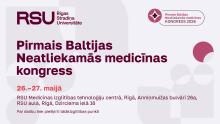
On 26–27 May 2026, Rīga Stradiņš University (RSU) will hold the First Baltic Emergency Medicine Congress – the largest emergency medicine event in Latvia to date, bringing together doctors, researchers, students, lecturers, and industry professionals from Latvia, Lithuania, Estonia, Ukraine, France, and the United States.
On 11 April, Rīga Stradiņš University (RSU) hosted its annual Open Day, during which prospective students and other interested visitors had the chance to explore the RSU study environment and the wide range of study opportunities available. On this day, the Rīga Stradiņš University Medical Education Technology Centre (RSU METC) also opened its doors.
Marking the International Emergency Medicine Day, Rīga Stradiņš University will be hosting the First Baltic Emergency Medicine Congress – a significant event in the healthcare sector and the first large-scale international event in the history of emergency medicine in Latvia.
Autors: RSU Medicīnas izglītības tehnoloģiju centrs
Cabinet Regulation No. 630, ‘Regulations on the Register of Medical Practitioners and Medical Support Personnel’ (1 October 2024), defines the following therapeutic and diagnostic methods in medical practice: Disaster Medicine Physician (M77) and Disaster Medicine Surgeon (M78).
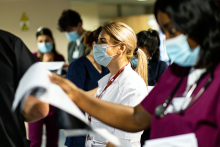
Patient safety is one of the cornerstones of quality healthcare, and its importance in the training of future doctors continues to grow.
New specialists must not only be able to diagnose and treat but also to recognise potential risks, learn from mistakes, and implement solutions that will improve the quality of healthcare in the long term.
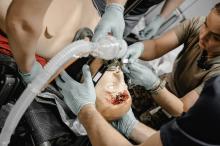
The Rīga Stradiņš University Medical Education Technology Centre (RSU METC) and representatives from the Department of Anaesthesiology, Intensive Care and Clinical Simulations participated in the military medical exercise KURLAND 25 organised by the Medical Unit of the 4th Kurzeme Brigade of the National Guard, taking place from 7 to 9 August, at the premises of Liepāja Regional Hospital and its surroundings.
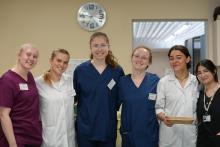
In June and July this year, the Medical Education Technology Centre at Rīga Stradiņš University (RSU METC) hosted a pre-hospital placement in a simulated hospital environment. From 2 to 13 June, third-year international Medicine students took part, followed by Latvian students from 2 to 8 July, who participated in this type of study process for the first time.
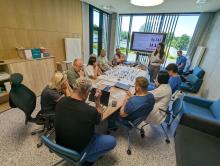
By expanding its range of simulations, the RSU Medical Education Technology Centre (METC) has developed an innovative table-top simulation platform to assess the readiness of medical institutions to admit large numbers of critically ill patients.
This week, the newly developed solution was presented to the staff of the Children’s Clinical University Hospital, thereby supporting preparations for a potentially increased flow of patients during the XIII Latvian School Youth Song and Dance Festival.
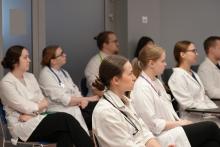
On 28-29 May, at the Rīga Stradiņš University Medical Education Technology Centre (RSU METC), part of the graduating future doctors took one of the stages of the national examination in a new format – in a simulation-based environment with simulated patients. While international students of the Medicine study programme already tried this approach by interpreting a patient’s clinical case in a simulation environment with a simulated patient in the winter, Latvian students had the opportunity to take the examination in such format for the first time this spring.
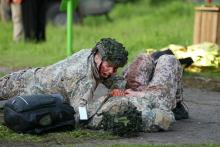
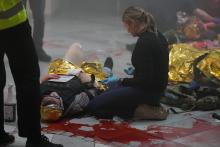
On Friday, 23 May, the civil-military medical exercise Panaceja 2025 took place in Riga, its surroundings, Bauska, and Jūrmala, with active involvement of the Rīga Stradiņš University Medical Education Technology Centre (RSU METC). The goal of this exercise was to test and improve the ability to effectively collaborate in crisis situations, ensuring coordinated and efficient medical assistance to victims within the framework of comprehensive national defence.


